

Holistic Mold Consulting
What is Mold Consulting?
Do you notice that you feel better when you spend time away from your home?
Are you concerned that your home may be affecting your health?
Do you suspect you have mold in your home but don’t know how to find it or who to trust to fix it?
Are you struggling to find a healthy, low-mold home to heal in?
Finding mold in your home can quickly become overwhelming. There are inspectors, remediators, contractors, testing companies, cleaning products, conflicting opinions, and a seemingly endless amount of information to sort through. A mold consultant helps you step back from all of that and understand the bigger picture.
Gabrielle works as an independent advocate and guide throughout the mold process. Rather than selling remediation or representing a particular inspection company, she helps you understand your options, ask the right questions, evaluate recommendations, and create a plan that makes sense for your particular home and circumstances.

What Does a Mold Consultant Do?
Mold problems rarely have a one-size-fits-all solution. Sometimes you need testing. Sometimes you need a closer look at a particular area of the home. Sometimes the biggest question is whether a remediation plan is actually appropriate, what belongings can be safely kept, or how to find a healthier home in the first place.
Gabrielle helps clients make sense of these decisions and provides personalized guidance based on their unique situation. Consulting may include interpreting mold testing, developing a remediation strategy, helping you vet inspectors and remediation companies, navigating a mold-related move, creating a plan for cleaning and decontaminating belongings, finding a lower-mold home, or simply helping you determine what to do next when you don't know where to begin.
Her approach is both practical and nervous-system-informed. Mold can create enormous fear and uncertainty, particularly for people who are already experiencing health challenges. Gabrielle's goal is not to amplify that fear, but to help clients move from overwhelm into clarity, discernment, and grounded action.
Why Holistic?
Because remediation isn't simply about killing mold—it's about removing the source and minimizing what remains in the environment. Aggressively treating mold with biocidal, ozone, or antimicrobial products can disturb contaminated materials and release additional microbial fragments and other inflammatory particles into the environment, which is why proper containment, removal, and post-remediation cleaning are so important. We also believe in maintaining a healthy home with the gentlest effective products possible. Using low-toxicity, fragrance-free cleaners and household products can help minimize unnecessary chemical exposures and keep your home a cleaner, lower-burden environment to live and heal in—especially for the many people dealing with mold-related illness who also experience heightened sensitivity to chemicals and environmental exposures.
Mold Testing
My philosophy is simple: test, don't guess.
Testing can provide valuable information when you're trying to understand what's happening in a home, but different testing methods tell us different things. I primarily use DNA-based dust testing and targeted surface sampling rather than relying on conventional ambient air testing as a stand-alone way to evaluate a home.
Why I Don't Rely on Routine Mold Air Testing
Conventional ambient air testing is one of the most common approaches to mold testing. Typically, an air sampler is placed in the center of a room and collects a sample of what happens to be airborne at that particular time and location.
One reason I don't rely on this approach as a stand-alone way to evaluate a home is that I have repeatedly seen clients who had visible mold, persistent musty odors, a history of leaks or water damage, and potential mold-related health symptoms, yet had previously received a “normal” or “acceptable” mold air test.
For some people, that result provided reassurance that everything was fine, and they continued living in the home without addressing the underlying moisture or mold concerns. Sometimes it was months or even years before they sought further evaluation, often after their symptoms, concerns about musty smells, or simply their intuition that something wasn't right became difficult to ignore.
When we take a closer look and use more targeted testing, such as dust testing or surface sampling, we may find evidence of mold contamination that a conventional room-air test did not capture.
Mold doesn't grow in the air. It grows on surfaces and in dust.
A brief air test only tells us what was airborne at the particular time and location where the sample was collected. Mold spores and other fungal particles can settle onto surfaces and become part of household dust, and contamination may also remain localized at a source rather than being evenly distributed throughout the air. Because of this, a normal room-air test does not necessarily mean that a home is free of mold contamination.
This is why I primarily use DNA-based dust testing when the goal is to understand the broader fungal environment of a home. Settled dust can provide information about mold and fungal material that has accumulated over time, rather than giving us only a snapshot of what happened to be airborne during a short sampling period.
The goal is to choose the testing approach that gives us the most useful information about what's actually happening in the home.

Testing Options
Mold Dust Testing
I use DNA-based dust testing such as ERMI (which tests for over 35 types of mold), HERTSMI-2, endotoxins, etc., to help assess the fungal environment of a home. These can be customized based on your specific needs and budget.
Targeted Surface Sampling
Tape-lift or swab sampling from areas with suspected mold and/or water damage. This can be useful when investigating a specific material or area of concern.
What to Expect
Testing can be booked as a standalone service or alongside personalized mold consulting.
In-home testing includes a visual review of the areas of concern relevant to testing. This is a focused review and is not a comprehensive whole-home mold inspection.
All testing begins with a free 15-minute discovery call so we can understand your concerns and determine which type of testing, if any, is appropriate.
The $200 fee covers the in-home testing and sampling service. Laboratory fees are additional and vary depending on the type of test and number of samples. Typical lab fees range from $60 to $400+. Testing options and associated costs will always be discussed with you before samples are collected.
Meet Gabrielle
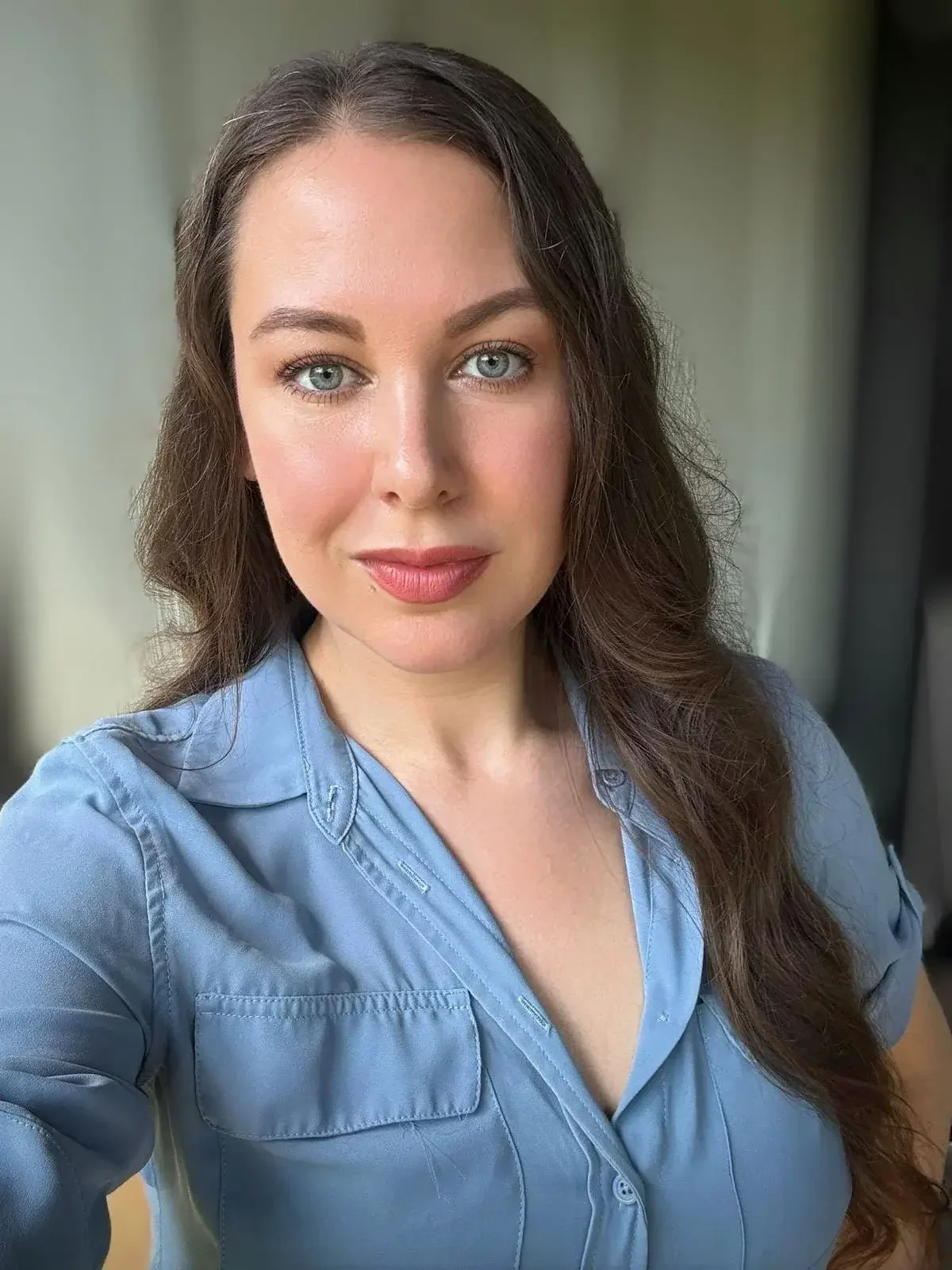
Gabrielle Shepard is a holistic mold consultant and founder of Live Clear Mold Consulting. With professional training in mold and environmental health, she helps clients navigate complex mold situations with greater clarity, discernment, and practical guidance. Her approach looks beyond mold alone to consider the whole indoor environment and the unique needs of the people living in it.
Are you ready to feel good in your home again?
Ready to Explore?
Fill out the form below or email us at connect@theinnerpath.org